Liberty Hill Retail and Restaurant Space: Main Street, Septic, and the Permits Nobody Warns You About
Liberty Hill is one of the better small-town retail opportunities in Williamson County. It's also where restaurant tenants discover that septic capacity and grease trap requirements decide the deal, not rent.
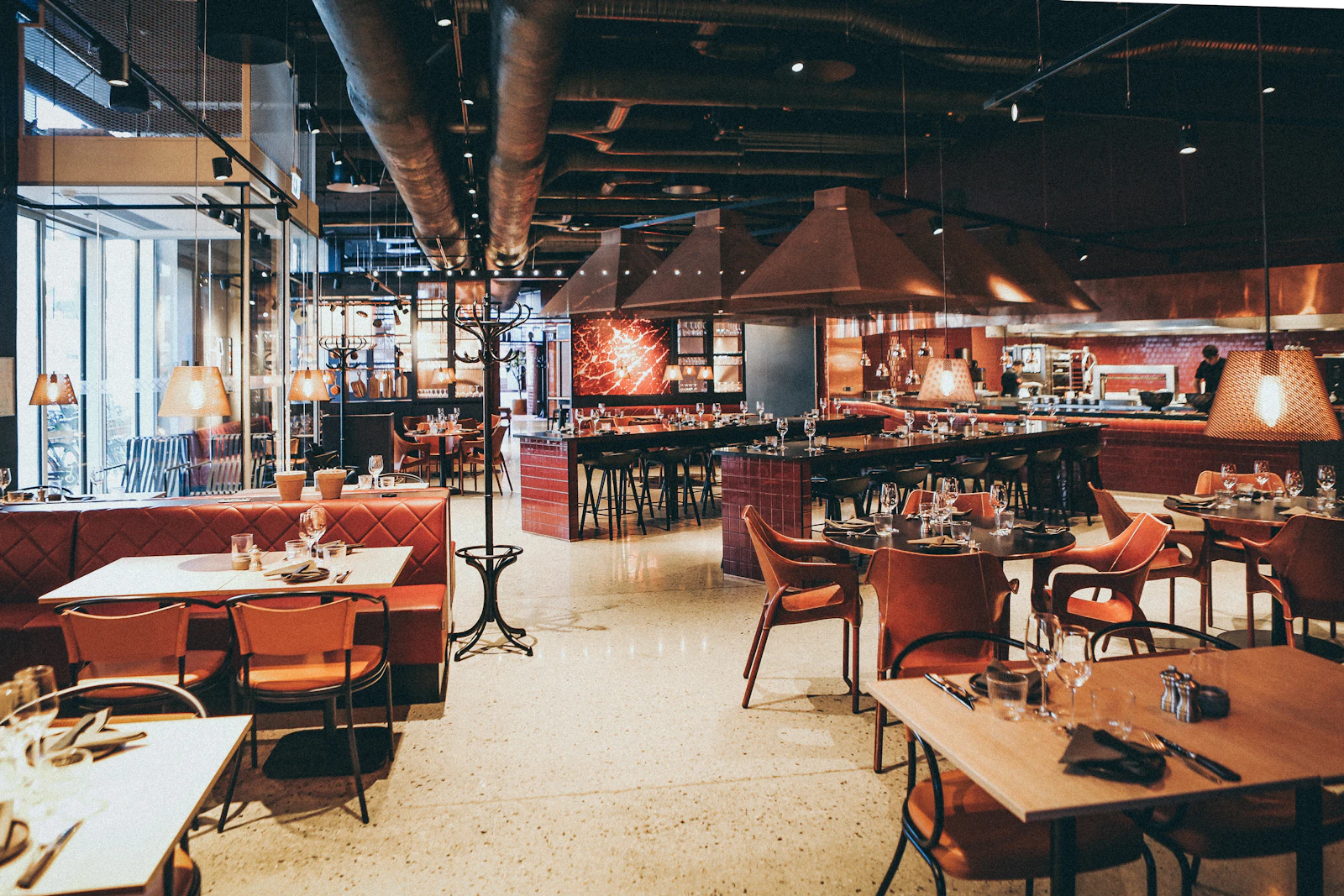
Liberty Hill has what a lot of operators are looking for and can’t find closer in: a real Main Street, growing rooftops around it, and rents well under Cedar Park or Round Rock.
It also has the constraint that catches food operators every time. Not rent, not visibility. Wastewater.
If you’re looking at restaurant or retail space out here, read the second section before you fall in love with a building.
Why the demand is real
Liberty Hill’s residential growth has outpaced its commercial base. That’s the whole opportunity. Households that have to drive to Cedar Park or Leander for dinner, a haircut, a dentist, or a gym represent leakage, and leakage is what a local operator captures.
The uses that work here follow that logic:
- Restaurants, especially family and casual. Undersupplied relative to population.
- Personal services. Salon, barber, nails, med spa.
- Fitness and studio uses.
- Medical, dental, physical therapy, veterinary.
- Trades and contractor space, serving both the residential construction and the households.
What generally doesn’t work yet is anything depending on regional draw or heavy daytime office population. Know which one you are.
Wastewater is the whole question for food
This is the section that matters most, so here it is plainly.
Parts of Liberty Hill and the surrounding area rely on on-site septic rather than municipal sewer. A restaurant generates far more wastewater per square foot than retail or office, and the septic system sizing is based on projected flow, which is driven by seat count and fixture count.
That means your seat count may be limited by the septic system, not by your floor plan or the fire marshal’s occupancy calculation.
Before you sign anything for a food use, establish:
Is the property on municipal sewer or on-site septic? Ask the city, not the listing.
If septic, what is the permitted design flow and what use was it sized for? A system designed for a retail shop will not support a restaurant. Expanding or replacing a system is a permitted process through the county, it takes time, and it requires suitable soil and enough land area. Sometimes the land simply isn’t there.
Who pays if the system needs upgrading? This is a negotiation, and it needs to happen before the lease is signed. It’s a substantial capital number.
Grease trap requirements. Size, location, and whether one exists. Adding an exterior in-ground interceptor means excavation, permitting, and a real budget line.
Water service capacity for your kitchen equipment and any irrigation.
Second-generation restaurant space — a building that already operated as a restaurant — is worth a genuine premium here for exactly this reason. The septic is sized, the trap is in, the hood is installed. 929 Main Street is 6,301 SF of restaurant space on Main Street, which is the profile to look at first if food is your use.
The hood, and the rest of the kitchen
Beyond wastewater, the expensive items in a restaurant buildout are the exhaust hood and makeup air, the grease interceptor, and the electrical and gas service.
Type I hood systems with makeup air are a significant cost and they interact with the building’s structure and roof. If the space has one, verify it’s the right type and size for your equipment line and that it was permitted. If it doesn’t, get a quote before you negotiate rent, because that number should be coming out of your rent or your tenant improvement allowance.
Gas service and electrical capacity are the other two. Check the meter and the panel, compare against your equipment schedule, and find out what it costs to upgrade if there’s a gap.
Small-town approvals take longer than you think
This isn’t a criticism of the city. Smaller jurisdictions have smaller staffs and meeting calendars that don’t bend.
Build real time into your schedule for site plan review, any variance you need, health department permitting for food, and the certificate of occupancy. A sign permit is its own process, and Main Street districts often have additional design standards.
Two things that save months:
Go meet the city before you sign. Take your concept and your floor plan. Ask directly what your use triggers. That single conversation is worth more than any amount of listing research.
Negotiate a permitting contingency into the lease. If your use requires an approval you don’t yet have, your obligation to pay rent should not start until you have it. Landlords accept this more often than tenants expect, especially on space that’s been sitting.
Retail beyond food
If you’re not a food operator, the constraints loosen considerably and Liberty Hill gets straightforwardly attractive.
115 Hickman St is 2,011 SF — the size that works for a salon, a studio, a small clinic, or a professional office.
Rent structures here are mostly triple net, and on smaller Main Street buildings the operating expense estimate deserves scrutiny. Older buildings carry higher maintenance, and if you’re a single tenant on a small property you may effectively be carrying all of it. Ask what the actual historical operating expenses were, not the estimate.
Industrial and contractor space
The less visible Liberty Hill opportunity is shop and yard space for trades. Residential construction in the corridor drives steady demand, and there’s not much supply.
800 County Road 257 is 10,000 SF of industrial on 10 acres, divisible from 4,000 SF. On a property like that, the acreage and what you’re permitted to do with it outside the building matter as much as the shop itself. The Georgetown industrial guide covers the yard, power, and lease questions to work through.
Before you sign
- Confirm sewer versus septic, and if septic, the permitted design flow.
- For food, price the grease interceptor and hood as real numbers.
- Meet the city with your floor plan in hand.
- Get a permitting contingency in the lease.
- Ask for historical operating expenses, not estimates.
Liberty Hill rewards operators who do this homework. The ones who sign first and find out later are the ones who end up with a signed lease and a use they can’t legally open.
Looking at retail, restaurant, or shop space in Liberty Hill, Bertram, or along Highway 29? Tell me your use and your seat count and I’ll tell you which buildings can actually support it. Get in touch or see the Liberty Hill submarket.