Williamson County Industrial and Flex, Q3 2026
The county's industrial shortage is not a shortage of square footage. It's a shortage of small buildings with yard, three-phase power, and a grade-level door — and that's a different problem with different solutions.
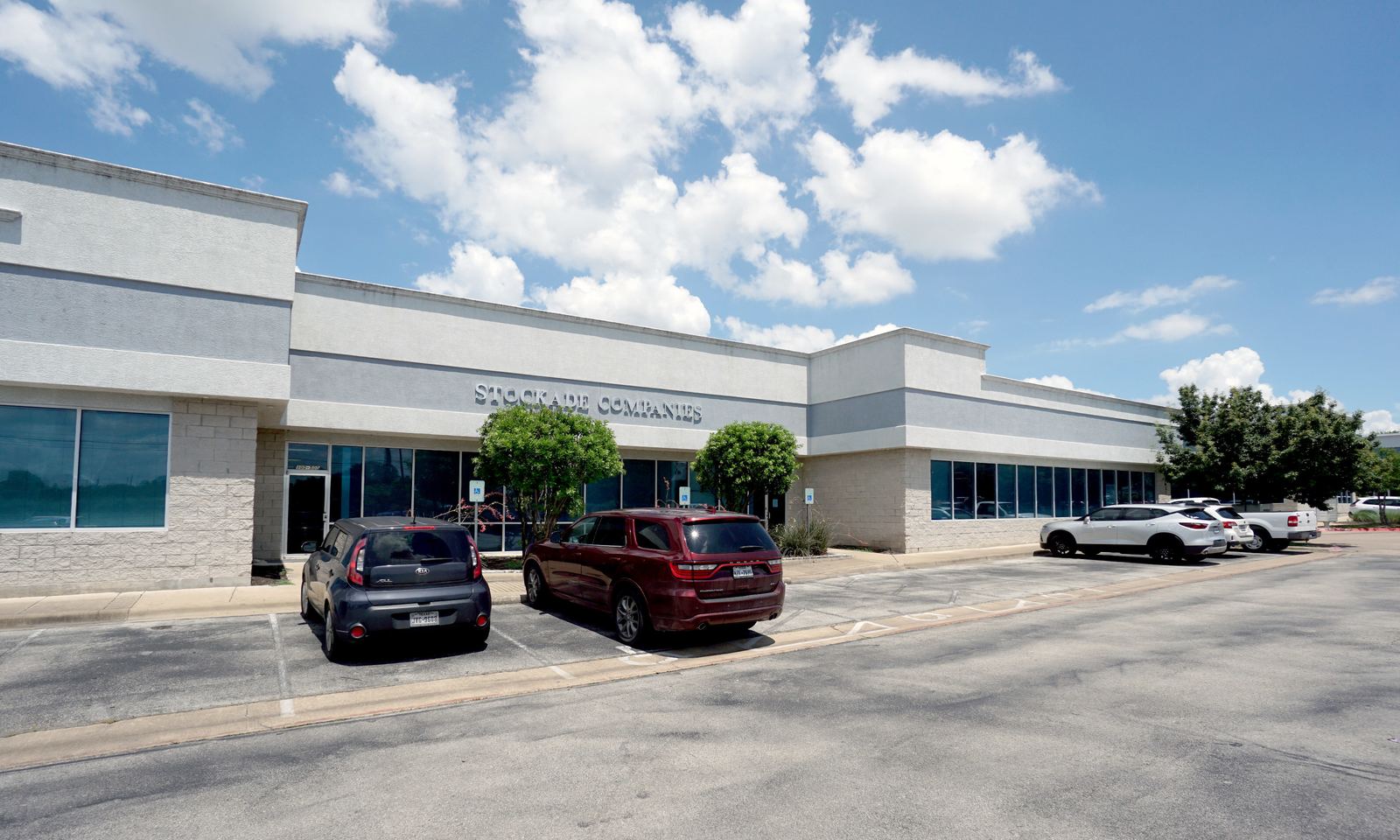
The industrial story people tell about Central Texas is about big boxes. Vacancy in half-million square foot distribution product, absorption in regional logistics, a development pipeline measured in millions of square feet.
That story has almost nothing to do with what a Williamson County business needs.
The tenants calling me want 4,000 to 15,000 square feet, a fenced yard they can park six trucks in, three-phase power, and a door a forklift can drive through. There is not enough of that, and the big-box numbers don’t measure it. A market can be oversupplied at 200,000 square feet and genuinely tight at 5,000 at the same time, because they aren’t the same market and the same tenant never considers both.
A note on figures. The numbers in this report describe my own active inventory and the inquiries I field, not market aggregates. I’ve flagged them as such throughout. Where a market-wide statistic would help, I’ve said what to ask for rather than estimated it.
What my own book shows
Across my active inventory this quarter, industrial and flex is the thinnest category I represent — three lease listings against fourteen office and nine retail. That ratio is not a market survey, but it matches what I hear: owners of small industrial rarely need a broker because the space leases itself, so it never reaches a listing platform.
That has a practical consequence for tenants. If you’re only shopping listing sites, you’re seeing a fraction of the market. The rest moves through broker relationships, signs on buildings, and direct owner contact before it’s ever marketed.
Current availability I’m handling:
- Chisholm Plaza, Round Rock — 21,925 SF flex on 4.05 acres, 3,500 SF available at $12.00/SF/Year plus NNN.
- 800 County Road 257, Liberty Hill — 10,000 SF on 10 acres, divisible from 4,000 SF at $12.00/SF/Year plus NNN. The acreage is the differentiator here.
- 1608 Royston Ln, Round Rock — 4,960 SF of office/flex at $12.50/SF/Year modified gross.
- Vanguard Warehouse Complex, Georgetown — 33,316 SF on 9.26 acres off IH-35, for sale at $5,850,000 or for lease.
The three specs that decide every deal
Tenants who know these three numbers find space in weeks. Tenants who don’t spend months touring buildings that were never going to work.
Yard, and whether outside storage is permitted. These are two separate questions and the second one gets skipped. A gravel area behind a building is not permission to store material on it. Zoning, the lease, and any deed restriction all have to allow it, and many jurisdictions require screening you’d have to install. This is the most common late-stage surprise I see.
Electrical service, in amps and phase. Shop equipment, welding, compressors, CNC, and paint all need three-phase. Plenty of older flex product is single-phase only. Upgrading means a utility application, a timeline you don’t control, and real money. Negotiable with a landlord before signing, not after.
Grade-level versus dock-high. Most trade contractors want grade-level doors wide enough to drive into. A dock-high door with no leveler is useless to a company running box trucks. Count the doors, measure the widths, and look at whether a truck can actually turn in the drive aisle.
The full checklist is in the Georgetown industrial and flex guide.
If you own industrial or flex
The small-building segment is where your leverage is. If you own a building under 20,000 square feet with usable yard, you are holding the scarcest product in the county. Price it accordingly and don’t accept the first offer out of habit.
Yard entitlement is worth confirming before you market. A building where you can prove outside storage is permitted commands a premium over an identical building where the answer is “probably.” Confirming it costs a phone call to the city and is the cheapest value you can add.
Divisibility broadens your tenant pool substantially. A 10,000 square foot building that can split into two 5,000 foot suites reaches a much deeper market than one that can’t. If demising is feasible, say so in the marketing.
Watch the restoration clause you’re writing. Tenants adding lifts, racking, mezzanines, or new power will negotiate hard on end-of-term removal. Decide what you actually want back before that conversation, because a tenant who has to restore will discount their rent for it.
If you need space
Start earlier than feels necessary. Six months before you need to occupy, not three. The inventory turns over slowly and the good buildings don’t sit.
Be flexible on geography. Georgetown, Hutto, Taylor, Liberty Hill, and the IH-35 corridor substitute for each other more than tenants expect. Rigid geography costs more than the commute saves.
Consider buying. For a contractor with stable revenue and a five-plus year horizon, owning resolves the yard question, the power question, and the restoration question permanently. The owner-user math is the same as any other: how long are you staying, what does your capital earn inside the business, and can you carry the property through a slow stretch.
Write your permitted use broadly. Cover what you might be doing in five years, not just what you do now. It costs nothing at signing and it’s expensive to fix later.
What I’d want to know next quarter
The figures that would sharpen this report, and that I’d encourage any owner or tenant to ask a data provider for directly:
- Vacancy and asking rent specifically for buildings under 25,000 SF in Williamson County, separated from the big-box product that dominates the headline numbers.
- Net absorption in that same size band.
- Land price per acre for sites zoned or entitled for light industrial with utilities in place.
Those three would tell you more about this market than any metro-wide industrial statistic.
Looking for shop or yard space, or weighing whether to sell an industrial building? Get in touch with your square footage, vehicle count, and electrical requirement, and I’ll tell you what’s realistic. Current industrial listings are here.